
Shaping the mobility of tomorrow – today
From Brazil to the world: Marcopolo sets new standards for sustainable and connected public transportThe transformation of public mobility in Brazil and the rest of the world requires sustainable, intelligent, and scalable solutions. This is made possible through operational excellence as the foundation for innovation. As the leading manufacturer of bus bodies and complete combinations in Latin America, Marcopolo is in a continuous process of transformation. The most important criteria for this are Lean principles, digitalization, and a culture of continuous improvement.
This process began in 1986, when company founder Paulo Bellini traveled to Japan in search of methods of operational excellence. The result was the establishment of Marcopolo’s Solidary Production System (SIMPS). This laid the foundation for the company’s industrial management model. Another step towards Lean development followed in 2016, when Marcopolo entered into a partnership with Staufen, part of Accenture – a collaboration that continues to generate value to this day.
Operational excellence as a platform for sustainable innovation
The revival of SIMPS was accompanied by modern Lean manufacturing practices and visual shop floor management systems. With a strong focus on waste reduction, the introduction of 5S, value stream analyses, and the promotion of continuous Kaizen cycles, Marcopolo stabilized operations and improved productivity.
“Together with Marcopolo, we developed a consistent and disciplined journey combining methodology, leadership involvement, and continuous improvement to secure a competitive edge and prepare operations for future mobility challenges,”
says Dario Spinola, Managing Director at Staufen Brazil.
In 2024 alone, more than 848 Go&See activities were carried out to strengthen the Perfect Workstation (PWS) concept and optimize processes. The results speak for themselves: In the first quarter of 2024, Marcopolo recorded net revenue of 2.3 billion BRL – an increase of 19%, about 40% of which was generated in international markets – and net income of 163.9 million BRL. This was the best quarterly result in the company’s history.
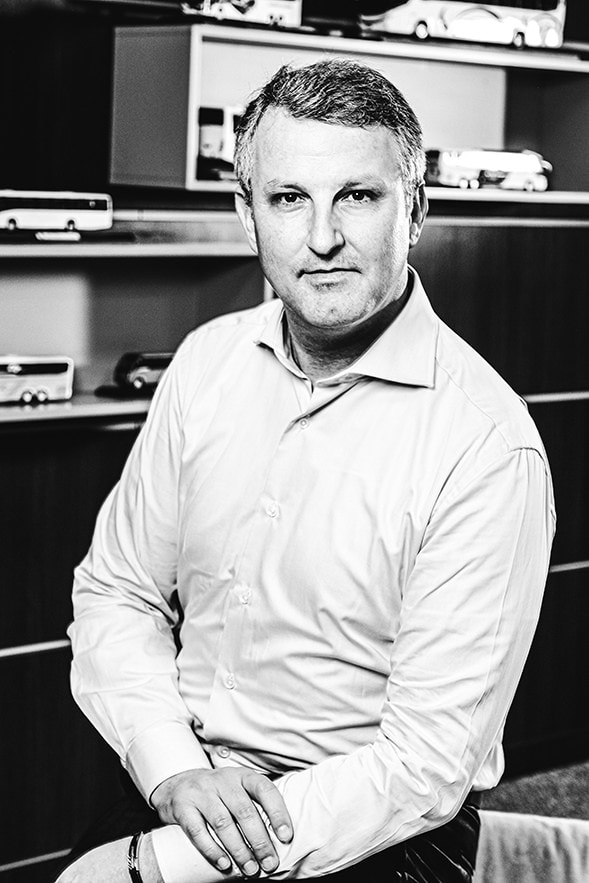
According to Julio Igansi, Industrial Operations Director at Marcopolo, structured management is the key to success:
True operational excellence does not stop at numbers. It transforms the culture, empowers employees, and forms the foundation for sustainable innovation.Julio Igansi
Industrial Operations Director, Marcopolo
Sustainability: From manufacturing to the final product
Operational consistency forms the foundation for Marcopolo’s growing commitment to sustainability. It runs through the entire company – from reducing emissions in manufacturing to the use of recyclable materials and initiatives in automation and digitalization.
The company has also expanded its portfolio of electric vehicles and buses to include vehicles powered by alternative fuels such as biodiesel and hydrogen, which are in use in more than 140 countries.
Efficiency and connectivity shaping the future of mobility
Marcopolo continues to focus on the integration of embedded technologies such as connected buses, real-time fleet management, and solutions for operating electric fleets through leasing models.
Initiatives of this kind strengthen Marcopolo’s role as a strategic partner for governments and private operators in their efforts to modernize public transportation systems.
The role of leadership in building a culture of continuous improvement
Beyond processes and indicators, the cultural change driven by leadership makes the decisive strategic difference.
“Without genuine employee involvement, no strategy is sustainable. Continuous improvement begins in the factory with the people who know operations first-hand. Our employees are the foundation of our competitiveness,” emphasizes Igansi.
Programs such as SUMAM (Suggestions for Improvements within the Marcopolo environment) led to almost 18,000 implemented improvements in 2024 alone. The management system, which operates on the basis of SQDC (Safety, Quality, Delivery, and Cost), sets world-class operational standards.

What’s next?
With the support of Staufen, Marcopolo’s Lean Journey is heading toward further milestones. The focus remains on stabilizing critical processes, reducing lead times, improving production efficiency, and expanding digitalization within the company.
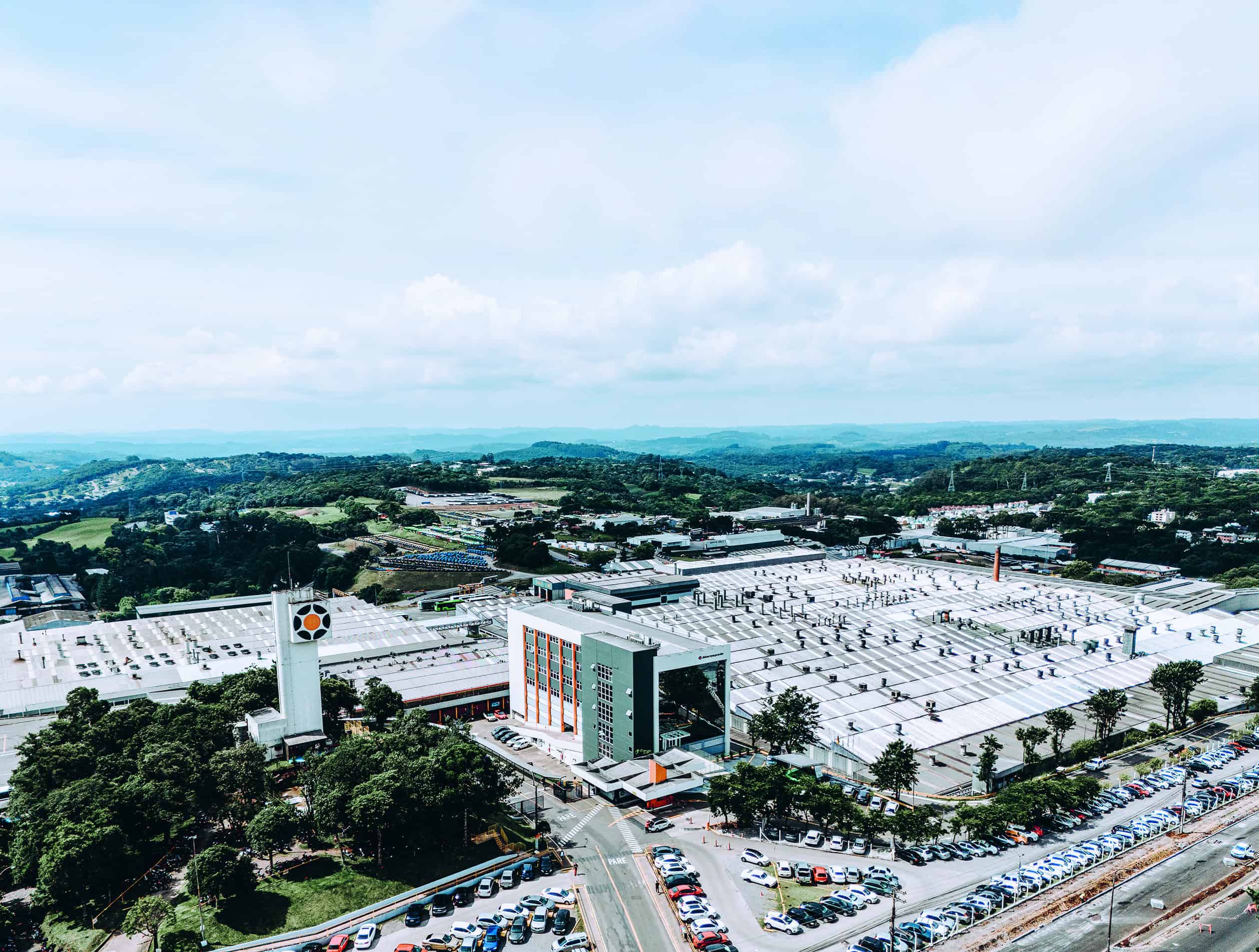
One of these milestones is the “Competitiveness” project, aimed at intensifying the Lean Transformation within the company. The principles of Conexão Marcopolo – an internal program to promote operational alignment with excellence and sustainability as well as a culture that supports it – are to be integrated. The project began in the two production lines of final assembly and welding at the Ana Rech industrial complex in southern Brazil and will soon be expanded to other manufacturing sites.
“Initial results include improvements through 5S, increased safety, better quality, workflow optimization, revised visual management boards, and logistical adjustments. The commitment of employees has significantly contributed to the continuity and further development of these initiatives,” notes Daniel Giacomelli, Operational Excellence Manager. The production teams are experiencing changes in workplace organization and the supply of production lines and are encouraged to actively participate in improvement initiatives. In support functions, teams in planning, logistics, quality, and engineering play an important role in consolidating and scaling improvements.
Giacomelli emphasizes: “Efficiency is achieved, among other things, through shared responsibility. The ‘Competitiveness’ project targets indirect improvements across many business areas. Employees are encouraged to actively contribute with suggestions and feedback and to consistently, disciplinedly, and dedicatedly implement new operational standards.”
Once again, Marcopolo positions itself as a driving force in the global transformation of public mobility, with operational excellence as its key foundation. The continuous journey not only ensures competitiveness on the international stage but also positions the company as a benchmark for the automotive and mobility sector in Brazil and beyond.
“This new chapter at Marcopolo highlights the importance of a structured, connected, and agile industrial management model that can quickly respond to the demands of a rapidly evolving industry,” concludes Dario Spinola.

About Marcopolo
With more than 16,000 employees and annual revenue of around €1.47 billion in 2024, Marcopolo is the largest manufacturer of bus bodies in Latin America and one of the global top players. Headquartered in Brazil, the company operates several production sites on five continents and supplies more than 140 countries with sustainable, connected mobility solutions.
Order Magazin
The focus of our magazine is on success stories that show how companies are addressing these challenges in order to remain future-proof in their competitive environment. Our articles come from customers, partners, and colleagues who share their practical experiences with us.

This might also interest you:

Performance culture and leadership competence. The Gerdau management model

A logistics revolution becomes a turning point for operational efficiency

Made in Brazil
REQUEST THE MAGAZINE NOW AS A DIGITAL VERSION OR PRINT EDITION
